How to Match Industrial Hose Pipes with the Right Fittings: A Step-By-Step Guide
Choosing the correct combination of industrial hose pipes and fittings is crucial for maintaining system efficiency, preventing leaks and ensuring long-term safety. Whether you’re working with chemicals, water, oil, steam or abrasive materials, the wrong fitting can compromise performance and lead to costly downtime.
In this guide, we’ll walk through the essential steps for selecting industrial hose fittings and pipe combinations that work together flawlessly. From identifying your hose to verifying compatibility and installing leak-proof connections, this is a complete guide to ensure the perfect match for your system hoses and fittings.
Why Hose-to-Fitting Compatibility Matters
Every industrial hose assembly relies on one fundamental principle: the hose and the fitting must be fully compatible. When they’re not, you risk more than just the minor inconvenience. Incorrect pairing can result in:
- Unsafe leaks or blowouts
- Reduced flow rates and pressure drops
- Contamination of product or media
- Increased maintenance costs
- System shutdowns and operational delays
This is why taking a systemic, engineering-led approach to hose and fitting selection is essential. When hose pipes and fittings are properly matched, you benefit from stable performance, improved lifespan and a safer working environment.
Step 1: Identify Your Hose Type
Before you can choose a compatible fitting, you need to understand the type of hose you’re working with. Industrial hoses vary widely depending on their construction and intended application. Some of the most common types include:
- Hydraulic hoses for high-pressure fluid transfer
- Pneumatic hoses for compressed air systems
- Chemical hoses with specialised inner liners
- Food-grade hoses for hygienic applications
- Steam hoses rated for extreme temperatures
- Water delivery hoses for general industrial use
- Slurry and suctions hoses for abrasive media
Each of these hose types requires fittings designed to work with its construction, flexibility and pressure capability. This is why matching hose fittings to hose types is the foundation of reliable system performance
Step 2: Determine the Hose Size and Dimensions
Once you’ve identified the hose category, the next step is confirming the exact sizes and dimensions. Fittings must align perfectly with the hose’s measurements to ensure a secure, leak-proof connection.
Key measurements include:
- Internal Diameter (ID): Determines flow capacity and fitting barb/insert size
- Outer Diameter (OD): Important for selecting clamps or crimp sleeves
- Length: Ensures the hose is installed without strain or overextension
- Tolerance: Some hoses swell or expand under pressure, which affects fitting grip
Accurate measurement ensures the fitting grips the hose evenly and prevents slippage or leaks under pressure.
Step 3: Understand the Application Requirements
Next, consider the specific conditions your hose assembly will face. A fitting may be the correct size and type, but if it can’t withstand the working environment, it will fail.
Factors that influence compatibility include:
Pressure Rating
Your fitting must match or exceed the working pressure of your hose. If the fitting is the weak point, it becomes the first point of failure.
Temperature Range
High temperatures (such as in steam transfer) demand fittings made from materials that remain stable under heat. Conversely, very low temperatures require fittings that won’t become brittle.
Medium or Media Type
Not all materials are suitable for contact with chemicals, oils, food products or abrasive materials. Choosing an incompatible fitting material can lead to corrosion, contamination or complete system failure.
This step is essential for verifying the compatibility of hose pipe and fittings before you proceed.
Step 4: Choose the Correct Fitting Type
Now it’s time to select the fitting that best suits your hose and operating environment. Common industrial fitting types include:
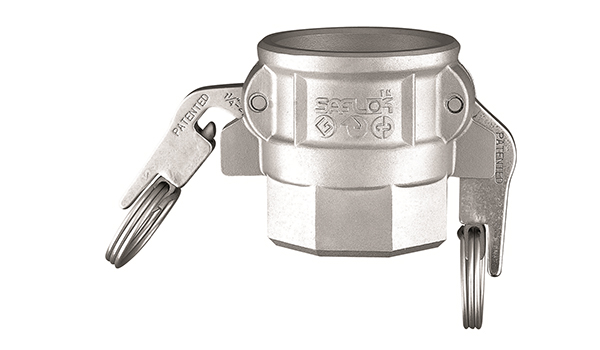
Camlock Couplings
Ideal for quick, secure and easy hose connections. Widely used in agriculture, chemicals and water transfer applications.
Threaded Fittings
Provide a solid mechanical connection. The thread standard must match your equipment as mixing BSP and NPT threads is a common cause of leaks.
Flanged Fittings
Used in heavy-duty applications requiring robust sealing and easy bolt-on installation, especially in industrial plants.
Quick-Release Couplings
Useful for systems requiring rapid hose changes or tool-free operation.
Compression Fittings
Often used for more rigid or semi-rigid tubing.
Crimped vs Reusable Fittings
Crimped fittings offer the strongest, most reliable seal and are ideal for high-pressure applications. On the other hand, reusable fittings allow maintenance teams to replace worn fittings without specialist equipment.
The key is selecting a style that fits the application requirements while ensuring complete compatibility between industrial hose fittings and pipe materials and dimensions.
Step 5: Match the Fitting Material to the Hose and Media
Fittings come in a range of materials, each suited to different conditions. Some of the most common materials include:
Stainless Steel
Highly resistant to corrosion and chemicals. A strong choice for food, chemical and high-pressure systems.
Brass
Suitable for air, water, fuel and many general applications.
Aluminium
Lightweight and corrosion resistant, often used for camlock couplings.
Polypropylene or Nylon
Cost effective options for lower-pressure applications and compatible with a variety of chemicals.
PVC
Used in some low-pressure or domestic applications, but less common in heavy industry.
Always ensure the material matches both the hose liner and the media being transferred to maintain performance and avoid chemical reactions.
Step 6: Verify Pressure and Temperature Ratings
This step is often overlooked, but it’s critical. Both the hose and the fitting must be able to withstand:
- Maximum working pressure
- Potential pressure spikes or surges
- Operating temperature range
- Environmental temperature variations
Your system is only as strong as the weakest component. If your hose is rated for a high pressure but your fitting is not, the fitting will fail long before the hose does.
Step 7: How to Connect Industrial Hose and Fittings
Once you’ve selected the correct components, proper installation is essential to achieving reliable, leak-proof hose fittings. The installation process depends on the type of fittings being used, but here are some general guidelines:
For Crimped Fittings
- Always use manufacturer-approved ferrules or sleeves.
- Insert the hose fully into the fitting stem.
- Use a calibrated crimping machine to achieve the specified crimp diameter.
For Threaded Fittings
- Check that the thread types match (BSP to BSP or NPT to NPT).
- Apply thread sealant when appropriate.
- Avoid over-tightening, which can distort threads or damage the hose.
For Clamped Fittings
- Ensure clamps are positioned correctly over the barbed section.
- Tighten clamps evenly to prevent distortion or leaks.
For Camlocks and Quick Connects
- Ensure cams lock securely into position.
- Inspect gaskets to confirm they are undamaged and seated correctly.
A correct installation significantly reduces the risk of leaks, detachment or premature wear.
Step 8: Test for Leaks and System Performance
After installation, always perform a pressure or operational test before putting the system into full service. This helps you identify issues such as:
- Dripping or seepage
- Incorrect clamping or crimping
- Cross-threading
- Material incompatibility
- Loose fittings due to vibration or expansion
Regular testing and inspection are essential for maintaining a safe, reliable hose assembly.
Common Mistakes to Avoid
Even experienced engineers sometimes run into preventable issues when pairing hoses with fittings. Common mistakes include:
- Mixing different thread standards (such as BSP with NPT)
- Reusing damaged or worn fittings
- Ignoring chemical compatibility between hose liner and fitting material
- Choosing fittings with lower pressure ratings than the hose
- Over-tightening clamps or threaded connections
Avoiding these pitfalls helps ensure long-term performance and safety.
When to Consult a Hose Specialist
Some applications are straightforward while others aren’t. If you’re working with high-pressure hydraulics, aggressive chemicals, food processing, extreme temperatures or any system where failure poses a significant risk, it’s always best to seek expert support.
At IHP, our specialists can help specify the right industrial hose fittings and pipe combinations, supply complete assemblies and ensure your system meets all performance and safety requirements.
Safer Systems Start with the Right Match
Matching industrial hose pipes with the right fittings is essential for leak-free operation, safety and long-term system reliability. By following this step-by-step guide, you can significantly reduce the risk of failure and improve overall performance.
If you need guidance on selecting the right hose and fitting combination, IHP is here to help. Get in touch with our team for expert advice, custom assemblies or product recommendations tailored to your application.
 Proud to be a UK manufacturer