Maintenance Tips To Enhance The Life Of Your Industrial Hose Pipe
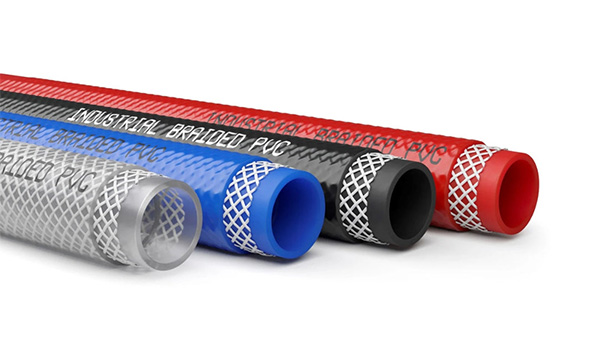
Industrial hose pipes play a crucial role in keeping operations running smoothly across a wide range of sectors, from manufacturing and construction to food processing and petrochemicals. Because they’re used to handle everything from liquids and gases to abrasive materials, hoses naturally face significant wear over time.
The good news is that with the right maintenance routine, you can dramatically extend the lifespan of your industrial hose pipe, improve safety, and reduce costly downtime. This guide walks you through how to maintain industrial hose pipes properly, including cleaning, inspection, handling and storage best practices.
Why Industrial Hose Pipe Maintenance Matters
Regular maintenance isn’t just about keeping your hose looking clean, it’s about operational safety and reliability. Neglecting routine checks can lead to:
- Leaks and product wastage
- Contamination of materials
- Loss of pressure and reduced performance
- Sudden hose failure, which can be dangerous
- Frequent replacement costs and downtime
By contrast, a consistent maintenance schedule ensures your hose performs at its best, helping to extend hose pipe lifespan while ensuring compliance with safety standards.
Your Step-By-Step Industrial Hose Pipe Maintenance Checklist
#1: Regular Inspections
One of the most effective ways to prevent hose pipe wear and tear is to inspect your hose frequently. Depending on the intensity of use, inspections may be required daily, weekly and monthly.
During each check, look for:
- cracks or abrasions on the outer cover
- Bulges, blisters or soft spots
- Kinks or flattened sections
- Corroded, loose or damaged fittings
- Any fluid drips or leaks
- Stiff or brittle areas caused by chemical exposure or UV damage
When to replace instead of repair:
If you notice structural damage, exposed reinforcement or persistent leaks, it’s safer to replace those hoses than risk failure during operation.
#2: Cleaning Your Industrial Hose Pipe
Regular cleaning protects the internal lining, prevents contamination, and keeps the hose functioning efficiently. Here are some tips for cleaning industrial hose pipes safely and effectively:
- Flush with appropriate cleaning solutions based on the material you are transporting (water, chemicals, food products, etc.)
- Use compressed air to remove debris for dry material hoses.
- Avoid harsh or incompatible chemicals that can degrade the hose.
- Ensure the hose is completely dry before storage to prevent mould, corrosion or material build-up.
If you’re unsure which cleaning method is suitable for your hose type, contact the manufacturer for guidance.
#3: Manage Pressure and Temperature Correctly
Every industrial hose pipe has a rated maximum pressure and temperature range. Exceeding these limits is one of the fastest ways to shorten a hose lifespan.
Best practices include:
- Monitoring operating pressures regularly
- Avoiding sudden pressure spikes
- Ensuring your system does not exceed temperature ratings
- Using hoses specifically designed for high heat or high pressure environments
Consistent operation within recommended limits preserves hose integrity and prevents premature failure.
#4: Handle Your Hose Correctly
Improper handling is a leading cause of avoidable hose damage. Keep these rules in mind:
- Don’t drag hoses across rough surfaces
- Avoid twisting, bending or crushing hoses
- Never pull on the hose to move equipment; use the proper grips or couplings
- Don’t kink the hose during use or storage
- Support the hose with proper clamps when needed
Correct handling not only extends hose life but also improves workflow efficiency.
#5: Industrial Hose Storage Tips
Good storage practices significantly reduce wear between uses. Follow these industrial hose storage tips:
- Store hoses in a cool, dry shaded area away from direct sunlight
- Use hose reels, racks or hooks to prevent kinks and deformation
- Keep hoses off the floor to avoid accidental damage
- For long-term storage, cap the ends to prevent dust and contamination
- Avoid stacking heavy items on top of stored hoses
Proper storage can easily add years to the working life of your industrial hose pipe.
Common Mistakes To Avoid
Even experienced teams can overlook routine maintenance. Here are some pitfalls to watch out for:
- Ignoring small leaks and minor damage
- Overstretching hoses beyond their recommended bend radius
- Using incorrect or incompatible fittings
- Allowing residue or chemicals to sit inside the hose
- Storing hoses outdoors or in high heat environments
Avoiding these mistakes helps maintain efficiency and ensures the hose remains safe and reliable for daily use.
Quick Summary: How To Extend Industrial Hose Pipe Lifespan
To keep your hose performing at its best:
- Inspect it regularly
- Clean it properly after use
- Avoid over pressuring or overheating
- Handle with care
- Store correctly on reels or racks
A few minutes of care can save hours of downtime.
When It’s Time To Replace Your Hose
Even with excellent maintenance, every industrial hose pipe will eventually wear out. Replace your hose if you notice:
- Exposed reinforcement layers
- Deep cracks or significant abrasions
- Permanent deformation
- Frequent leaks
- Fittings that no longer seal properly
Timely replacement reduces operational risk and ensures your system continues to perform safely.
Proper maintenance is the key to maximising the performance and longevity of your industrial hose pipe. By following this simple checklist: cleaning, inspecting, storing and handling your hose correctly; you’ll reduce downtime, improve safety and get the best return on your investment.
If you need expert guidance or want to upgrade your equipment, the IHP team is always here to help with high quality industrial hose solutions. Get in touch today to find out more.
 Proud to be a UK manufacturer