What is a Flange Spool?
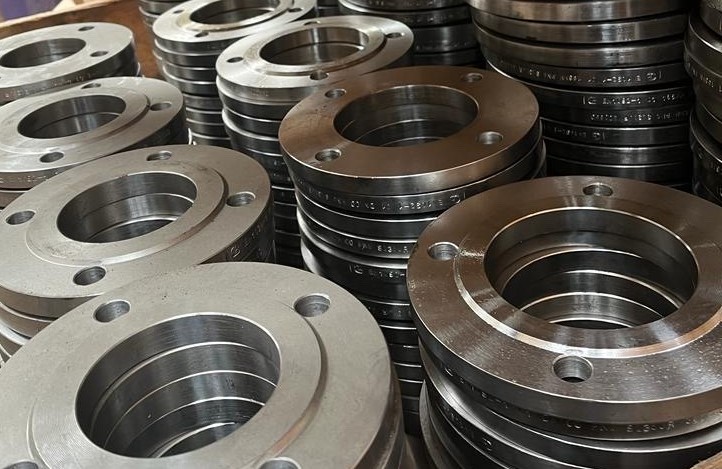
In any industrial piping system, precision and reliability are critical. Whether you’re managing a refinery, a water treatment facility or process line; every connection counts and that’s where the flange spool comes in.
A flange spool piece is a small but vital component in engineered piping assemblies, designed to make installation and maintenance faster, safer and more consistent. In this quick guide, we’ll explain what flange spools are, why they’re used and how to choose the right one for your next project.
What is a Flange Spool?
A flange spool (sometimes called a flange spool piece) is a short section of pipe fitted with flanges at both ends. It’s typically fabricated off-site to a specific length, diameter and pressure class then installed between two pieces of equipment such as valves, pumps or other pipeline sections. This forms a secure, sealed connection.
Think of it as a ready-to-fit link between two points in a system. Instead of cutting and welding pipework on site, engineers can bolt in pre-made spool sections that are already built to the exact dimensions required.
A standard flange spool assembly includes:
- A length of pipe cut to specification
- Two flanges (weld neck, slip-on or blind) attached to either end
- Optional gaskets, bolts and nuts for installation
Because these components are fabricated in a controlled workshop, flange spools tend to offer superior accuracy and quality assurance compared to on-site fabrication.
Why Flange Spools Are Used
Easier installation and maintenance
Prefabricated spools simplify on-site work. They arrive ready to install so on-site engineers just align, bolt up and test. If a section needs replacing later, the spool can be removed and swapped out without disturbing the rest of the system.
Improved safety and quality
Since flange spools are assembled and pressure tested in a workshop, you know exactly what you’re installing. This reduces the risk of leaks or misalignment during commissioning.
Time and cost efficiency
On-site welding and alignment takes time. By using flange spools, you reduce fabrication work in confined or hazardous areas, cutting down both labour and downtime.
Flexibility for design and repair
Flange spools make it easier to modify a system or isolate components. They’re particularly useful in plants where piping layouts are complex or frequently adjusted.
Typical applications include:
- Oil and gas facilities
- Power generation systems
- Water and wastewater plants
- Chemical and food processing lines
In short, industrial flange spools provide a modular, efficient way to build and maintain complex pipeline systems.
Typical Flange Spool Specifications and Dimensions
Many flange spools are custom built to suit its application. Key specification factors include:
- Nominal bore (NB): defines the inside diameter of the pipe.
- Flange type: such as weld neck, slip-on, socket weld or threaded.
- Pressure rating: typically PN or ANSI Class.
- Material grade: carbon steel, stainless steel or duplex stainless steel.
- Length and tolerance: cut and machined to precise dimensions for correct fit.
Flange spool dimensions are generally based on international standards. For example, a spool might be specified at “DN150 PN16 carbon steel weld neck flanges 500mm length” which is a fairly typical size for mid-range industrial systems.
How to Choose the Right Flange Spool Specification
Selecting the correct flange spool isn’t just about matching sizes. The right specification depends on the system's operating environment and service conditions. Here’s a simple step-by-step guide:
- Define the service conditions: consider pressure, temperature and the type of fluid or gas the system deals with.
- Select compatible materials: choose materials that can handle corrosion, abrasion or chemical exposure depending on what the system deals with.
- Confirm dimension standard: make sure flange ratings and bolt patterns match with the components it will be attached to.
- Consider coatings and finishes: galvanising, painting or lining can extend a flange spool’s lifespan in harsh environments.
- Work with an experienced supplier: a trusted UK manufacturer can advise on the right flange and pipe combinations and fabricate custom spools when standard sizes don’t fit.
If your installation has unique specifications or needs to connect at different attachment types, a custom flange spool supplier can produce solutions based on your individual needs which slot neatly into your existing system.
Flange Spool Installation Guide: Key Considerations
Although installation is straightforward, a few best practices will help ensure a reliable seal:
- Check all dimensions and alignments before lifting into place.
- Inspect flange faces and gaskets for damage or contamination.
- Use the correct bolt torque sequence for even gasket compression.
- Pressure test the assembly after installation to confirm integrity.
Taking these steps helps prevent leaks, gasket failure or premature wear; all of which can cost you time and money to fix later.
Working with a Trusted UK Flange Spool Supplier
At IHP, we have been supplying and fabricating flange spools and pipe assemblies for decades. Our in-house team can produce spools with a wide range of materials and pressure classes.
From one-off replacement pieces to large-scale production runs, we offer:
- Precision machining and welding
- Quality assurance to UK and international standards
- Fast turnaround for urgent projects
- Expert advice from engineers who understand your application
If you need a flange spool provider in the UK, our team is always ready to help.
A flange spool might be a small part of an industrial piping system, but it has a big impact on safety, efficiency and ease of maintenance. By choosing the right design, materials and supplier, you can simplify installation, minimise downtime and ensure your system performs as intended for years to come.
Whether you’re replacing a single spool or planning a full system upgrade, IHP’s specialists can provide the technical support and fabrication you need. Get in touch with our team today.
 Proud to be a UK manufacturer